Plant and machinery allowances (PMA)

Claiming for plant and machinery allowances (PMA) reduces your taxable profit, boosting your cash flow.

plant-for-production-of-concrete

How it works

What are plant and machinery allowances?

Plant and machinery allowances (PMA) are a type of capital allowance providing tax relief to businesses for fixed assets.
These fixed ‘plant and machinery’ assets can be anything from office equipment and tools to vehicles and heavy machinery.

Who can claim plant and machinery allowances?

You can claim plant and machinery allowances for any qualifying expenditure from work carried out during qualifying activity.

Qualifying activity generally applies to anything work-related, including:


• a trade
• a profession or vocation
• an employment or office
• a property business (overseas or UK)
• furnished holiday-letting (UK and EEA)
• managing the investments of a company with an investment business
• a concern in mining and transport undertakings
• special leasing of plant or machinery

Type of PMA

What are the different types of plant and machinery allowances?

01.

100% first-year allowances (FYA)

First-year allowances let businesses claim 100% of the cost of qualifying capital expenditures in the year they purchase them. Qualifying equipment includes zero or low-emission goods and vehicles and machinery for gas refuelling.

02.

Annual investment allowance (AIA)

The annual investment allowance gives a 100% write-off on most types of plant and machinery up to an annual limit. The maximum amount for AIA is £1m.

03.

Writing down allowances (WDA)

Writing down allowances allow tax deduction for qualifying items from your annual profits. Where 100% first-year allowances and annual investment allowance does not apply, tax relief on plant and machinery would typically default to writing down allowances.

More about WDA

WDA pools or rates

01 Main rate pool

Main rate pool

This pool includes most plant and machinery assets, such as business equipment and furniture, and the allowance is 18% per year.
colleagues-working-together-at-high-table
02 Special rate pool

Special rate pool

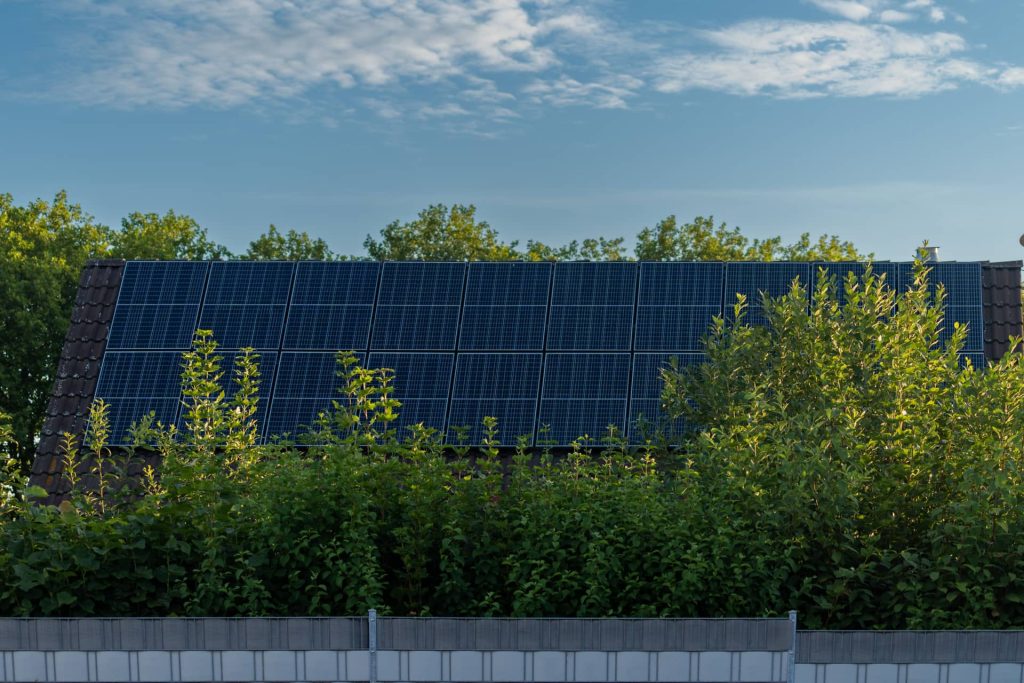
This pool includes assets such as integral features of a building, long-life assets, solar panels, business cars with emissions of over a threshold and thermal insulation. The allowance for this pool is 6% per year. Integral features generally form part of a building’s infrastructure, including: electrical and lighting systems; lifts, escalators and moving walkways; hot and cold water systems; space and water heating systems; and external solar shading. Long-life assets have a useful economic life of at least 25 years when new. Examples of long-life assets include manufacturing, farming and printing machinery.

solar-panels-on-house-roof-with-greenery
03 Single asset pool

Single asset pool

This pool is for items that are short-life assets or are used for non-work purposes if you’re a sole trader/in a partnership. Short-life assets are not expected to have a useful life of more than 8 years. Examples include computers in an office, wine glasses for a restaurant, or bed linen for a hotel. Some items can’t be treated as short-life assets, including cars and items that are partly used for non-work purposes.
empty-office-desks-with-computers-and-office-chair

What doesn’t count as plant and machinery?

Assets must be owned and used in business activities to be eligible for plant and machinery allowances. You are not eligible for these allowances if the asset is:


• leased and you don’t have a hire purchase contract/long funding lease
• only used for business entertainment
• land
• a structure, such as bridges, roads, etc
• a building or includes doors, gates, shutters, mains water, or gas systems.

Our services

Explore our other Capital Allowances services

From property acquisitions to fit-outs and refurbishments, our Capital Allowances experts are on hand to help businesses claim the relief they are entitled to.

Claim with Leyton

Book a free assessment

We’re experts at unlocking huge savings for businesses that have invested in capital expenditure. Our capital allowances team have years of field experience in building, construction and surveying, uniquely allowing them to identify qualifying expenditure and maximise your savings.